What is Microsoft Dynamics 365 Customer Service?
Microsoft Dynamics 365 Customer Service is a cloud-based, AI-powered customer service platform designed to streamline customer support, enhance engagement across channels, and deliver actionable insights.
As an intelligent AI customer service software, it enables organizations to manage cases efficiently, provide omnichannel support, and leverage real-time data to improve agent effectiveness and customer satisfaction.
How fragmented systems and poor visibility limit business performance
As organizations scale, disconnected systems and siloed service data create operational bottlenecks.
These inefficiencies lead to slower response times, inconsistent customer experiences, and rising operational costs. Over time, they impact customer retention, revenue growth, and compliance. Key risks are:

Customer interactions lack clear visibility

Teams rely on repetitive manual tasks

Decisions are driven by delayed or incomplete insights
Without a dedicated platform, service operations remain reactive rather than strategic. Intelligent customer service software bridges data silos, provides real-time insights, and enables proactive case handling.
How Dynamics 365 Customer Service transforms business operations
As a modern, AI-powered service platform, Dynamics 365 Customer Service brings together customer engagement, case management, and service analytics within a secure, scalable cloud environment. Built on Microsoft Azure and enhanced with Microsoft Copilot, it delivers proactive insights, streamlined workflows, and predictive intelligence.
With an advanced data model and intelligent workflows:
Service teams gain a comprehensive view of each customer interaction
Agents resolve cases faster with AI-assisted recommendations
Leadership tracks performance with actionable metrics
Repetitive tasks are minimized, allowing teams to focus on complex issues
Moving to Dynamics 365 Customer Service shifts teams from reactive tasks to proactive, insight-driven support.
Key capabilities and outcomes to expect with Dynamics 365 Customer Service
Omnichannel customer engagement
Capabilities:
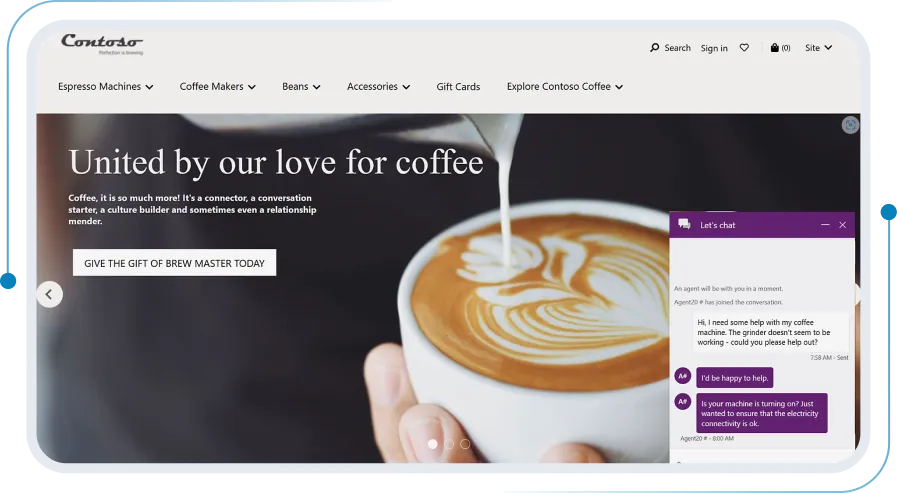
Deliver seamless interactions across voice, chat, email, social media, and self-service portals from a single interface.
Outcomes:
- Consistent customer experiences across all channels
- Faster issue resolution with real-time context
- Increased first-contact resolution rates
Higher customer satisfaction through personalized support
Intelligent case management
Capabilities:
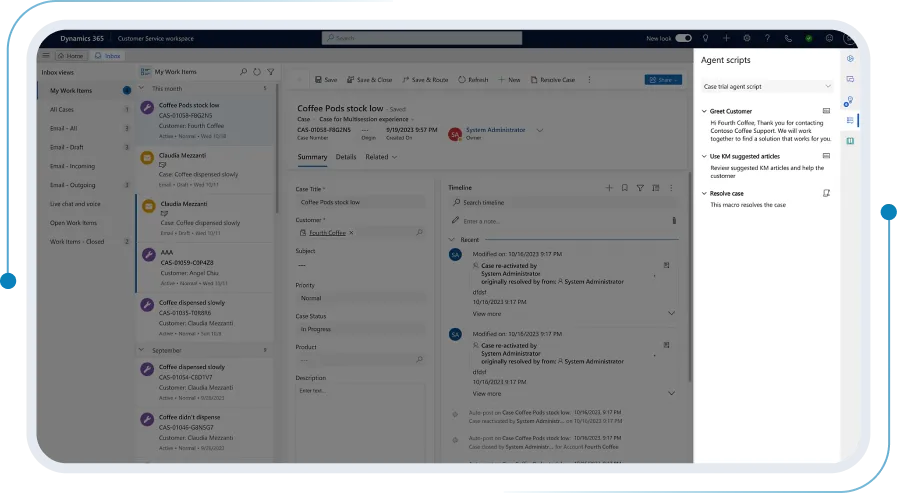
Automate case creation, routing, prioritization, and escalation using AI-driven workflows.
Outcomes:
- Faster case resolution cycles
- Reduced manual tracking for agents
- Improved SLA adherence
- More reliable, data-driven handling of customer requests
Customer service automation software
Capabilities:
Streamline repetitive processes with automation, including ticket handling, notifications, and follow-ups.
Outcomes:
- Lower operational costs
- Agents focus on value-added interactions Reduced human error
- Scalable handling of peak workloads
Knowledge management and self-service
Capabilities:
Centralize knowledge articles and enable AI-powered self-service portals and virtual agents.
Outcomes:
- Reduced support volume through self-resolution
- Faster access to accurate information
- Enhanced agent capacity for complex issues
Equips customers to find answers independently
AI-driven insights and analytics
Capabilities:
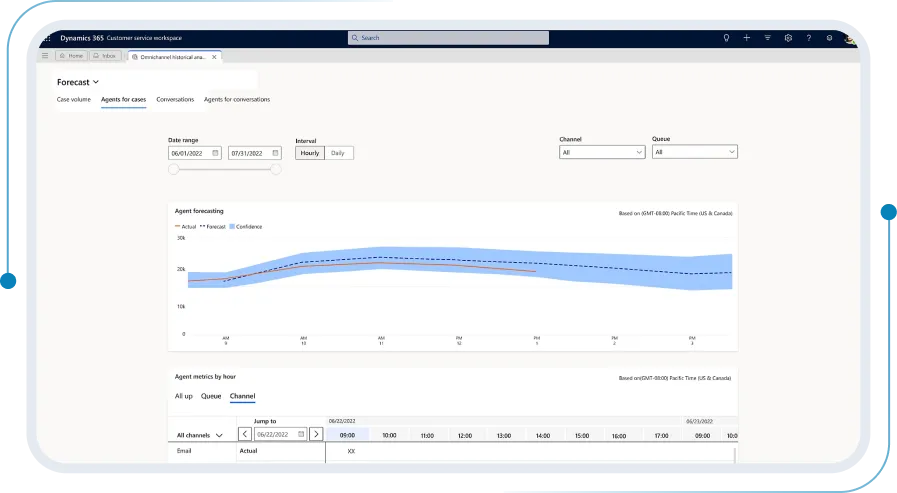
Leverage predictive analytics and real-time dashboards powered by Microsoft Power BI and Microsoft Copilot.
Outcomes:
- Data-driven decision-making
- Early identification of service issues
- Smarter forecasting of customer demand
Continuous improvement in team performance
Workforce productivity and collaboration
Capabilities:
Integrate with Microsoft 365 and Microsoft Teams to enable seamless communication and collaboration.
Outcomes:
- Shorter internal resolution cycles
- Improved cross-functional collaboration
- Higher agent engagement and morale
- More efficient handling of customer requests
Modules or core components within Dynamics 365 Customer Service
Dynamics 365 Customer Service includes a comprehensive set of modules designed to optimize service operations and enhance enterprise visibility:

Case Management
Centralizes service requests, ensuring structured tracking and resolution.

Omnichannel for Customer Service
Provides a unified interface for managing multi-channel customer interactions.

Customer Service Insights
Delivers AI-driven analytics to uncover trends, sentiment, and performance metrics.

Knowledge Management
Enables creation, sharing, and optimization of knowledge articles for agents and customers.

Service Scheduling
Optimizes resource allocation and service delivery timelines.

Connected Customer Service
Integrates IoT data to enable proactive service and predictive maintenance.

Virtual Agent (Power Platform integration)
Automates customer interactions using AI-powered chatbots.

Service Level Agreements (SLA) Management
Ensures compliance with contractual service commitments.
Each module contributes to a unified ecosystem that enhances automation, improves visibility, and drives intelligent service operations.
Benefits of adopting Dynamics 365 Customer Service
Organizations implementing Microsoft Dynamics 365 Customer Service experience measurable improvements across service operations:

Real-time view into customer interactions and agent performance

Minimized repetitive tasks, allowing focus on strategic initiatives

Faster and more accurate decision-making through AI insights

Improved collaboration across service and support teams

Scalable cloud architecture powered by Microsoft Azure

Higher customer retention through personalized engagement

Strong governance, security, and compliance capabilities

Lower total cost of ownership through system consolidation
This AI-based customer service software equips organizations to deliver precise, personalized, and consistent support while focusing on higher-value activities
Licensing and cost overview for Dynamics 365 Customer Service
The cost of implementing Dynamics 365 Customer Service varies based on several factors, including:

Licensing model and user roles

Selected modules and features

Integration with existing systems

Customization requirements

Deployment scale and geographic footprint
Organizations typically begin with a structured assessment to define requirements, align licensing, and design an optimized implementation roadmap.
Why partner with sa.global?

Recognized Microsoft solutions partner with deep Dynamics expertise

Global delivery model supporting complex, multi-region deployments

Industry-specific knowledge across professional services, nonprofit, and more

Accelerated implementation frameworks to reduce time-to-value

Outcome-driven methodology focused on measurable business impact

24/7 managed services for continuous optimization and support
FAQs
What is Microsoft Dynamics 365 Customer Service used for?
It is an AI-powered customer service software designed to manage and optimize end-to-end support operations. It enables organizations to deliver consistent, personalized, and efficient customer experiences across multiple channels.
How does Dynamics 365 Customer Service improve business operations?
Dynamics 365 Customer Service improves business operations by connecting customer data, automating workflows, and delivering real-time insights. This customer service automation software helps reduce response times, increase agent productivity, and enhance decision-making.
Is Dynamics 365 Customer Service suitable for mid-sized organizations?
Yes, Microsoft Dynamics 365 Customer Service is a scalable solution suitable for both mid-sized businesses and large enterprises. Its flexible licensing and modular capabilities make it ideal for organizations adopting AI customer service software at their own pace.
How long does implementation take?
The implementation timeline for Microsoft Dynamics 365 Customer Service depends on business complexity, integrations, and customization needs. Most organizations can deploy core customer service automation software capabilities within a few weeks to a few months.
Does Dynamics 365 Customer Service integrate with Microsoft tools?
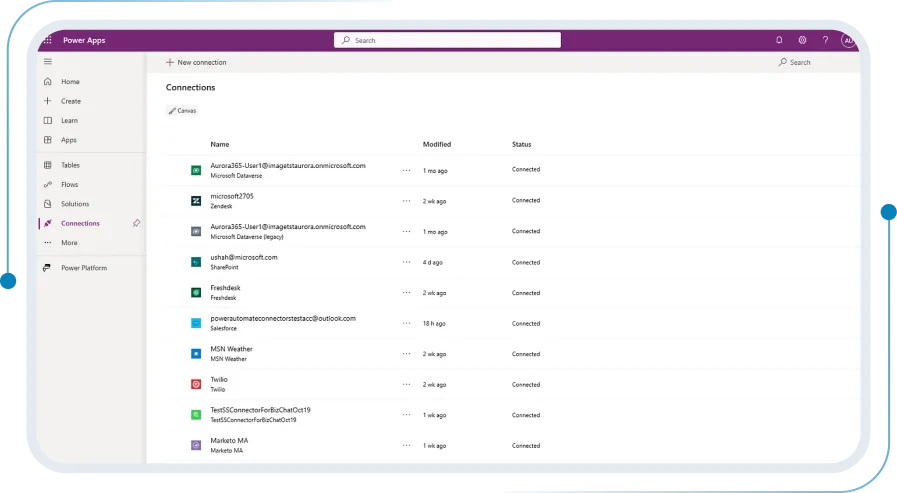
Yes, Microsoft Dynamics 365 Customer Service integrates seamlessly with Microsoft Azure, Microsoft 365, Microsoft Power Platform, and Microsoft Power BI. These integrations enhance collaboration, analytics, and automation across the enterprise.
Can organizations migrate from legacy customer service systems?
Yes, organizations can migrate from legacy platforms to Microsoft Dynamics 365 Customer Service using structured data migration tools and frameworks. This ensures continuity while upgrading to a modern AI customer service software environment.
What support is available after implementation?
After implementation, organizations can access ongoing support including managed services, performance monitoring, and continuous optimization. This ensures that Microsoft Dynamics 365 Customer Service continues to deliver long-term value and operational efficiency.
Does Dynamics 365 Customer Service support AI capabilities?
Yes, Microsoft Dynamics 365 Customer Service includes built-in AI capabilities through Microsoft Copilot and advanced analytics. These features enable predictive insights, automated responses, and intelligent recommendations within customer service automation software.